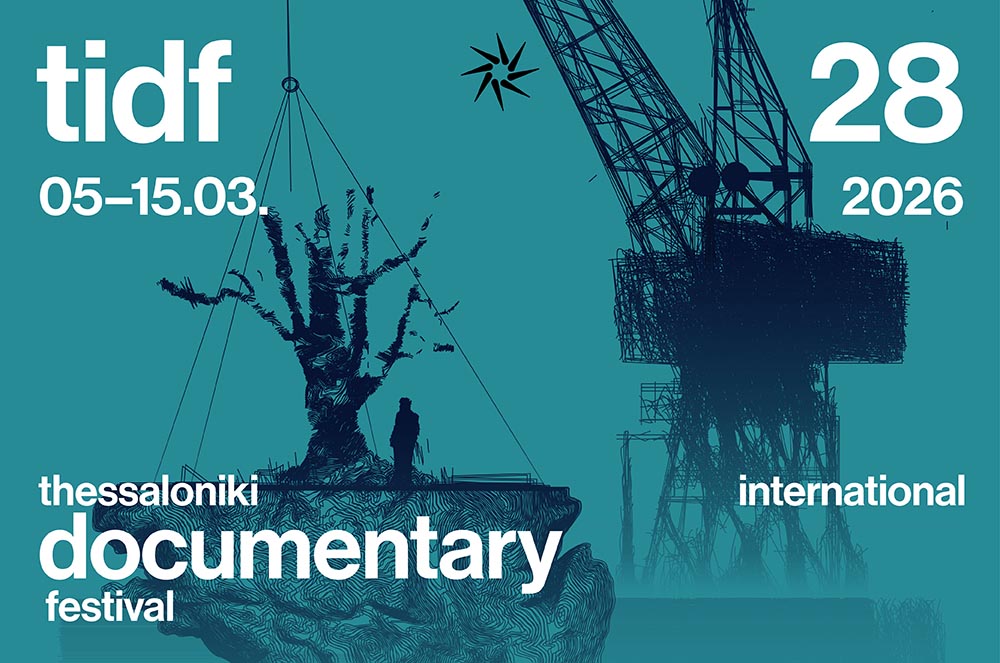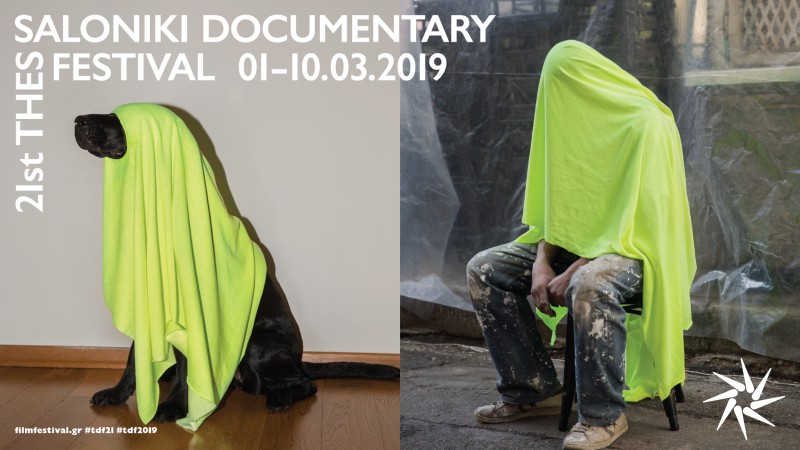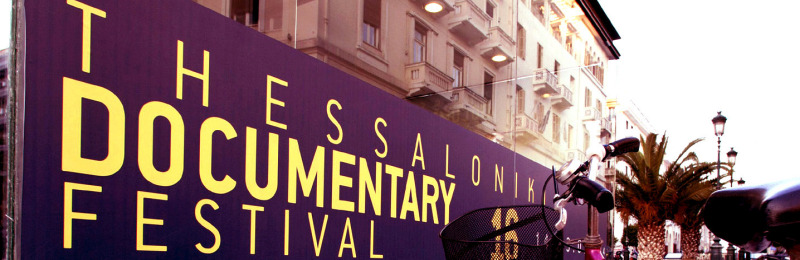

Through which process do archives acquire an unforeseen importance for our lives nowadays? Whenever rare and hidden treasures emerge, there’s a shift in our relation to the world. The mental line that binds us together with the past becomes the solid basis for us to walk down today’s road. This year, in a gesture driven by the mighty force of memory and reminiscence, we decided to dive into the visceral core of the archive world. The 28th Thessaloniki International Documentary Festival hosts a grand tribute titled “All the world’s memory”; a nod to Alain Resnais’s titular documentary (Toute la mémoire du monde, 1956) that guides us into the inner sanctum of the National Library of France, in Paris. The tribute will run through various pillars of this year’s edition, from film screenings and open discussions all the way to the Festival’s spot and editions. Creating tomorrow’s archive sheds light on our present.
Within the tribute’s framework a series of fascinating found footage films will be screened, made of pure cinema materials: remnants of analog and digital media, fragments from images either saved or found by chance in warehouses, even in trash, also scenes or one-off shots from existing works. Moreover, excerpts from long-forgotten films, newsreels, official archives, home videos, even desktop documentaries, which transform internet material into autonomous audiovisual works (the tribute’s four desktop documentaries will be screened in a single slot), are reshaped into cinema raw material.
Commission of an original art work
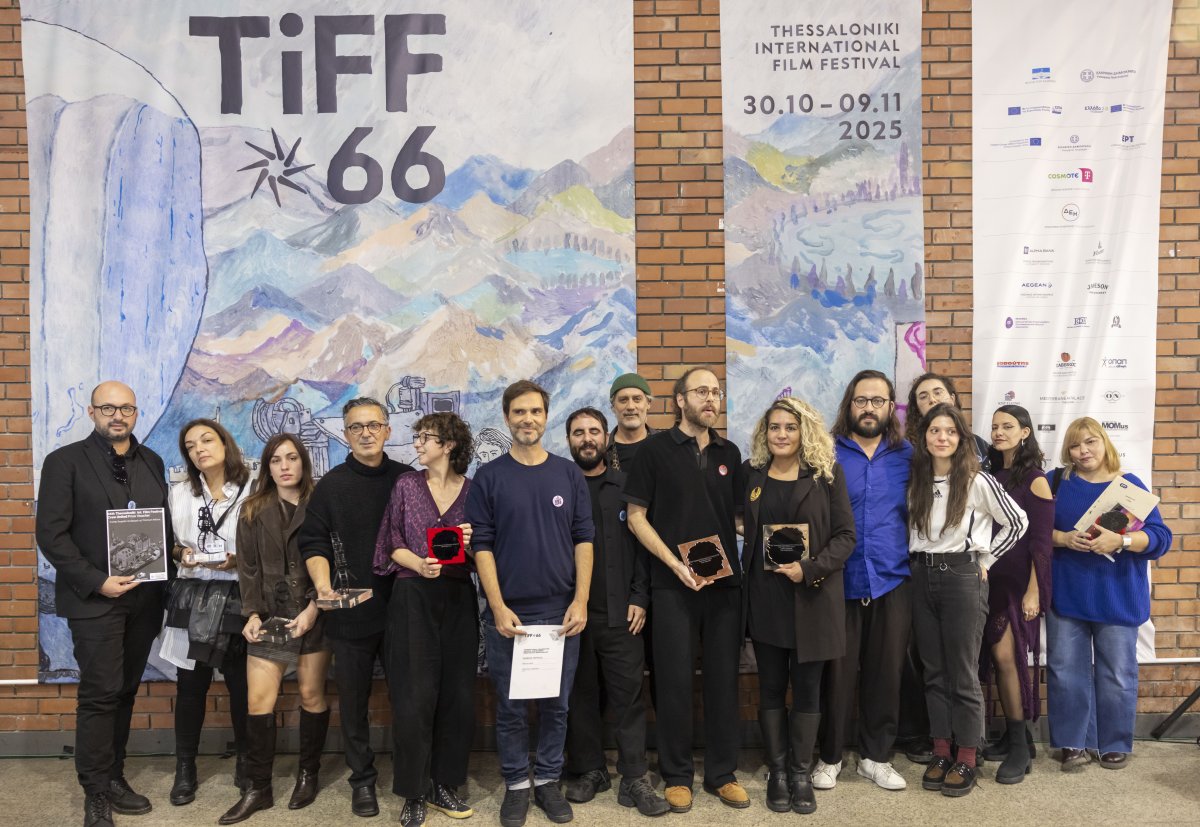
As part of its collaboration with the General State Archives (GSA) of Greece, the Festival commissioned an original art work, a 10-minute short film, to the talented director Aristotelis Maragkos, recipient of the Silver Alexander - Best Direction Award at the 66th TIFF for his film Beachcomber. An animation work that sets the seemingly static world of archives in motion, grasping the versatile – human or not – voices that co-exist in subterranean libraries, dusted shelves, papers in a state of decomposition, fading seals, cracked photos, hand-written notes and typed instructions. Approaching official records not as statutory documents but as a depository of unremembered stories, the film is in search of the traces of an uncanny past into the present, while imagining a future constructed out of the humblest materials: a future that recognizes wearing down as a foreword of creation and oblivion as a prerequisite of memory, and archive as a time and place of encounter.
Open discussion
We will attempt to penetrate into the exciting archival world through an open discussion scheduled to be held on Monday March 9th (Pavlos Zannas, 11am). The open discussion will kick off with the screening of the experimental short documentary commissioned to film director Aristotelis Maragkos by the Festival. The panel will include: Elizabeth Klinck (producer, researched and clearance specialist for the use of archival material in hundreds of international documentaries), Vasilis Alexopoulos (Director of the National Broadcasting Corporation [ERT] Archive), Amalia Pappa (Deputy General Director at the General State Archives [GSA] of Greece), Éric Cambronne (Licencing Executive of the British Pathé), and Takis Zondiros, known as Greek Visions (instagrammer/Greek culture archive curator). The open discussion will be moderated by journalist and director Marianna Kakaounaki.
Admission will be carried out on a first-come-first-served basis, upon issuing a zero-price ticket. Zero-price tickets will be available for the audience from all the Festival’s ticket counters, starting from 10am on the previous day of the event (Sunday March 8th). Every person is allowed to secure two tickets for the open discussion.
Editions
The Festival’s special edition, Non-Catalog and First Shot magazine form a threefold archive. More specifically, the Festival’s special edition will be dedicated to archives, featuring texts written by the General State Archives of Greece President Dimitris Sotiropoulos, the General State Archives of Greece Deputy General Director Amalia Pappa, visual artist and creator of the 28th TIDF’s poster Alexandros Psychoulis, the Festival’s Artistic Director Orestis Andreadakis, and the Festival’s Head of Tributes Dimitris Kerkinos. As for the longloved Non-Catalog, titled Unarchived, it showcases texts written by graphic designer Yannis Karlopoulos, theatrologist, critic, columnist, translator and exhibitions’ curator Helene Varopoulou, film director and Assistant Professor at the Film School of AUTh’s Fine Arts Faculty Penny Bouska, film critic Manolis Kranakis, the Festival’s Head of Program Yorgos Krassakopoulos and the Festival’s Editions Coordinator and researcher Geli Mademli. In addition, the First Shot magazine also converses with the Festival’s grand tribute, foregrounding a new and highly important initiative that will be soon unveiled.
Participation at an exhibition
The Festival will take part in an exhibition hosted at the MOMus-Experimental Center for the Arts with the exhibition THIRD PERSON (PLURAL) by visual artist Aikaterini Genisian, based on the use of archival material. The film version of the work will be screened at the 28th Thessaloniki International Documentary Festival.
The films
The tribute’s films do not simply recycle the past, as they reinterpret it through a critical prism, opening a channel of dialogue between memory, history and the present.
Standing on the borderline between a homage and a frenzy obsession, landmark film Rose Hobart (1936), directed by the found footage pioneer Joseph Cornell, one of the first ever films of this genre, focuses on the gestures, expression and body language of Rose Hobart, the main protagonist of the Hollywood drama East of Borneo (1931), delivering a poetic commentary on the power of cinema as an industry of dreams and exoticism.
The ruminative All the World’s Memory (1956) by the great Alain Resnais, which stands behind the tribute’s titled, starts out as an immersion into the unseen depths of the renowned National Library of France before evolving into a profound treatise on the obsession of society to accumulate and record knowledge, the inevitable deficiency of human memory, and our eternal symbolic battle against the inescapable nature of mortality.
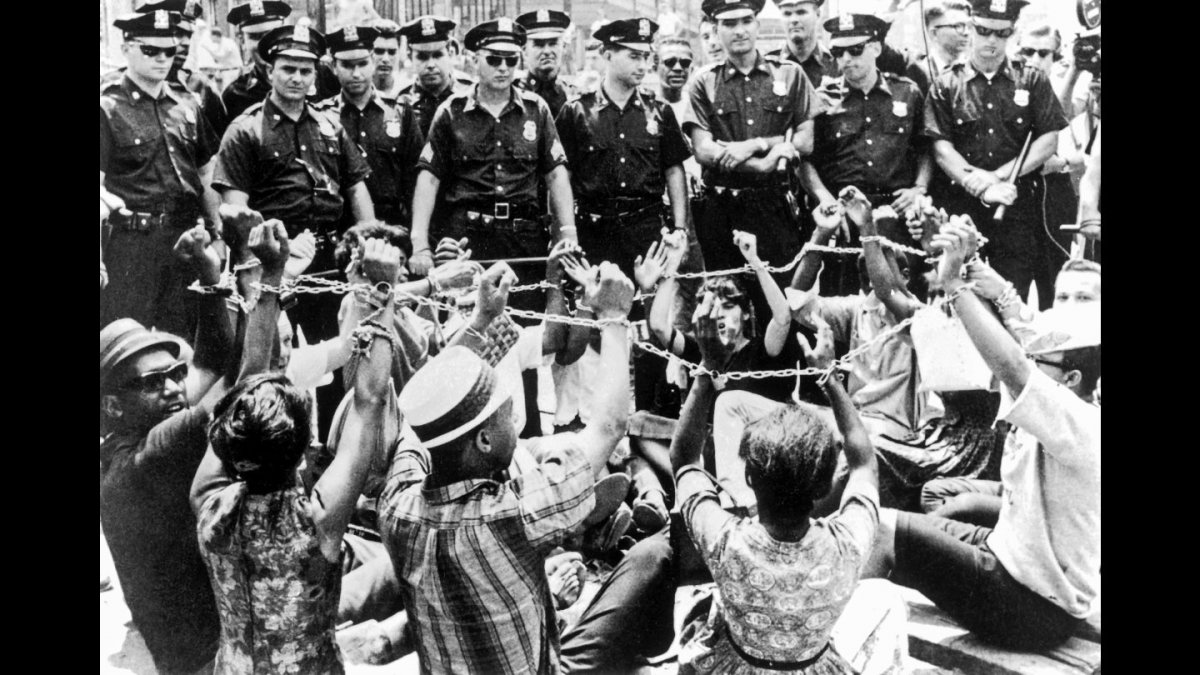
Through an exemplary use of the Soviet agitprop montage principles, Now! (1965) by Santiago Álvarez walks across the threshold that intertwines documentaries, newsreels and experimental films, carrying the badge of honor as the first ever (unofficial) video clip. A 6-minute audiovisual hurricane that juxtaposes the titular (and banned in the USA, labeled as radical) song by Nina Horne with stating and moving snapshots from horrendous acts of racism and riots during several Civil Rights Movement protests.
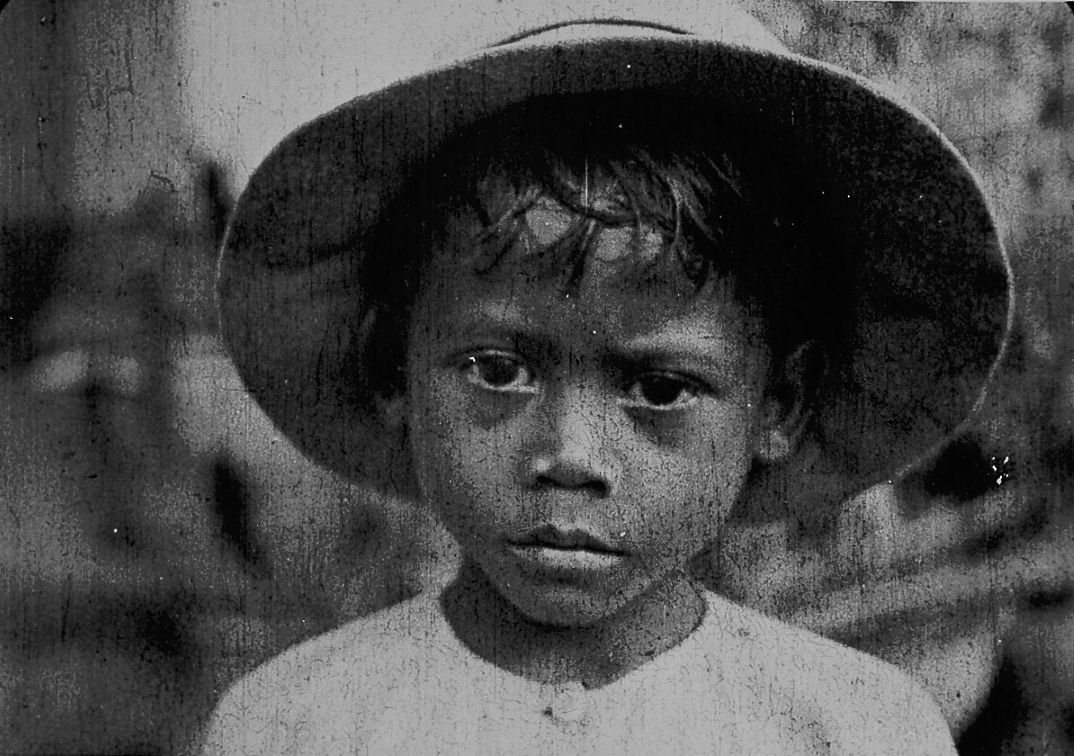
Mother Dao, the Turtlelike (1995) by Vincent Monnikendam combines archival footage from Dutch propaganda films shot in 1912-1913, natural sounds and interim fragments from Indonesia’s oral tradition, undertaking a twofold mission. On one hand, to unearth invaluable documents from the unknown everyday life of that era, and on the other hand to bring forth the historical and cultural foundations of a colonialist narrative that insists on denying its vulgar origins.
Workers Leaving the Factory (1995) by Harun Farocki reexamines the precious archival footage from the legendary Workers Leaving the Lumière Factory, possibly the first ever film to be screened publicly for an audience, through an intricate and multifaceted prism that contemplates on the early days and the evolution of the medium, while raising a series of intriguing questions on the nature, identity and range of the moving image: a fleeting depiction of the past that carries within it memories from the future.
The found footage virtuoso Péter Forgács, in the iconic he Maelstrom: A Family Chronicle (1997), contrasts the happy moments immortalized in the home videos of a Jewish family in the Netherlands, shot prior to the Holocaust, with film newsreels, against the backdrop of radio excerpts of the time and a haunting jazz soundtrack. The final outcome triggers a piercing shiver, as both victims and perpetrators of the most unfathomable horror can be seen among the people seen enjoying themselves.
In the film Images of the Orient: Vandal Tourism (2001), the directorial duo of Yervant Gianikian and Angela Ricci Lucchi discovers in the archives of a British upper bourgeois family a series of short films shot by a couple during a trip to the British Raj in 1928 and 1929, in the climax of the anti-colonial struggle. The seemingly “innocent” moments of amusement ooze an unconfessed violence and obtrusion, weaving an indirect and poignant analogy between the colonialist past and present-day tourism.
FILM IST. a girl & a gun (2009) by Gustav Deutsch, divided into five chapters and bearing a title that alludes to the legendary quote by Jean-Luc Godard on what it takes for one to shoot a film, unites film fragments from scientific documentaries, early-day porno films and scenes from European 1930s films. A feverish celluloid dream on the Eros-Thanatos dual system and gender relations caught in the frenzy cinema whirlpool.
The Autobiography of Nicolae Ceaușescu (2010) by Andrei Ujică outlines the rise and fall of the notorious Romanian dictator through the propaganda material of the morbid regime he had established, in a three-hour masterful feat of editing and inner tempo, which transforms the documents of a past oppression into evidence exhibits of a self-fulfilled prophecy of deterioration.
The Three Disappearances of Soad Hosni (2011) by Rania Stephan renders homage to the once rich Egyptian film industry through an offbeat biopic of Soad Hosni, known as “the Cinderella of the Arab screen”, who committed suicide at the shocking age of 49. Gradually, and via the use of worn out videotape material, the film is elevated to a multilayered and captivating elegy on the immortality of film imagery and contemporary Arab woman identity.
In Recollection (2015) Palestinian director Kamal Aljafari returns to his homeland, Jaffa, aiming to revive the history of a place that no longer exists, using shots from Israeli and American films shot in the region between 1960 and 1990 as the film’s bedrock. Editing the protagonists out of the original material’s context, Recollection is transformed into an experiential dream that resurrects the past into a heart-wrenching present.
B-Movie: Lust & Sound in West Berlin (2015), by the directorial triplette of Jörg A. Hoppe, Heiko Lange and Klaus Maeck, takes us into the heart of a wild and frenetic era, in the city that served as the cradle of the electronic sound and gave birth to the underground movement in music. Our film guide is no other than the priceless material possessed by the incurable and bohemian-minded music lover Mark Reeder, who left swinging Manchester for the sake of Berlin, transforming the camera to a natural extension of his body.
Moving down a narrative axe built by the mighty words of the writer and thinker James Baldwin (1924-1987), one of the most gifted voices of the black intellectual elite, and unraveled by Samuel L. Jackson’s mesmerizing voice, I Am Not Your Negro (2016) by Raoul Peck dissects the transgenerational and unhealed trauma of the US Afroamerican population, shedding light on the unseen routes of an institutionalized and customary racism.
My Mexican Bretzel (2019) by Nuria Giménez binds together Vivan Barrett’s personal diaries with the evocative visual footage of Léon Barrett from 1940 to 1960. The documentary weaves frame by frame and moment by moment a rich narrativethree Το ντοκιμαντέρ υφαίνει μια πλούσια αφήγηση που διατρέχει κάδρο προς κάδρο και στιγμή προς στιγμή τρεις δεκαετίες που άλλαξαν τον κόσμο μας, σε μια συναρπαστική διαπλοκή του προσωπικού με το οικουμενικό, των ιστορικών γεγονότων με τις αθέατες όψεις της καθημερινότητας.
State Funeral (2019) by Sergei Loznitsa gives us insight to a rare and mostly unpublished up to now archival material from the funeral of Joseph Stalin, on March 5th 1953; a historical event that shook the entire Soviet Union and signaled the culmination of an almost supernatural personality cult. Through the exhaustive recording of what was described by the Pravda newspaper as the “Great Farewell”, we are immersed into the interior corridors of the regime’s absurdity and manipulation mechanisms.
Making use of excerpts from films shot between 1990 and 2018, Irani Bag (2020) by Maryam Tafakory balances between a film essay and a cinephile documentary, questioning the “innocence” of bags in Iranian cinema. A low-key manifesto on the concealed repression of woman identity and desire that explores how images speak volumes or smother, while reminding us the importance of triviality and detail.
Terra Femme (2021) by Courtney Stephens is an idiosyncratic hybrid film essay, echoing feminist hues, based on a series of amateur film travelogues, shot by women in various parts of the world between 1920 and 1950. Placing the female gaze on the driver’s seat, the film decomposes the patriarchal model of the male explorer and openly challenges the gender stereotypes of the archives, while roaming through past worlds under the guidance of the cinema lens.
Silent film Trains (2024) by Maciej J. Drygas crafts a resounding portrait of the history, the hopes and the – unfortunately recurring – drama of 20th century Europe. Trains are elevated into something much deeper than a simple means of transportation and travel: an ever-moving engine, an endless coming-and-going of thwarted visions and high expectations, an arc of history and tragedies, in a poetic journey in the depths of the European psyche.
Furthermore, within the framework of the Festival’s collaboration with the General State Archives of Greece, a screening of the documentary Affection to the People (2013) by Vasilis Douvlis will be held. Drawing material from the General State Archives, the film explores the “scissoring” inflicted by the Greek military dictatorship (1967-1974) to Greek cinema. Based on unknown up until that time archives of the Junta, the documentary portrays the intrinsic ridiculousness that goes hand in hand with censorship, as well as the gloomy landscape of an entire era.
The tribute also features a series of desktop documentaries that reflect a new dawn in the documentary genre, as they transform internet material into an autonomous audiovisual work.
Transformers: The Premake (2014) by Kevin B. Lee delves into the contemporary politics of the moving image, using the blockbuster film Transformers: Age of Extinction (2014) as a case study. A thrilling collage of amateur material in film sets, official trailers and news coverage that casts a transcendental glance at Hollywood’s impact on our lives and the transcendental contemporary worship of CGI visual effects.
In 24 Cinematic Points of View of a Factory Gate in China (2023) by Rui An Ho, the surveillance footage from a camera secretly installed in the gate of a Chinese factory, is endowed with a new meaning after being integrated in a cinema genealogy stemming from Workers Leaving the Lumière Factory. Conversing with Workers Leaving the Factory (1995) by Harun Farocki, also screened at the Festival’s tribute, the film unfolds a century of moments from European, American and Chinese cinema, while formulating a biting social commentary.
Palcorecore (2023) by Dana Dawud is a mystifying mix of dance, archival footage and internet videos that compresses past and present into a resourceful and pulsating portrait of Palestinian everyday life. A collage of rhythmic disorder and frenzied movement that transforms cinema into an act of living testimony and resistance, turning the spotlight on the women and children of Palestine, who insist on emphatically choosing life despite being constantly surrounded by death.
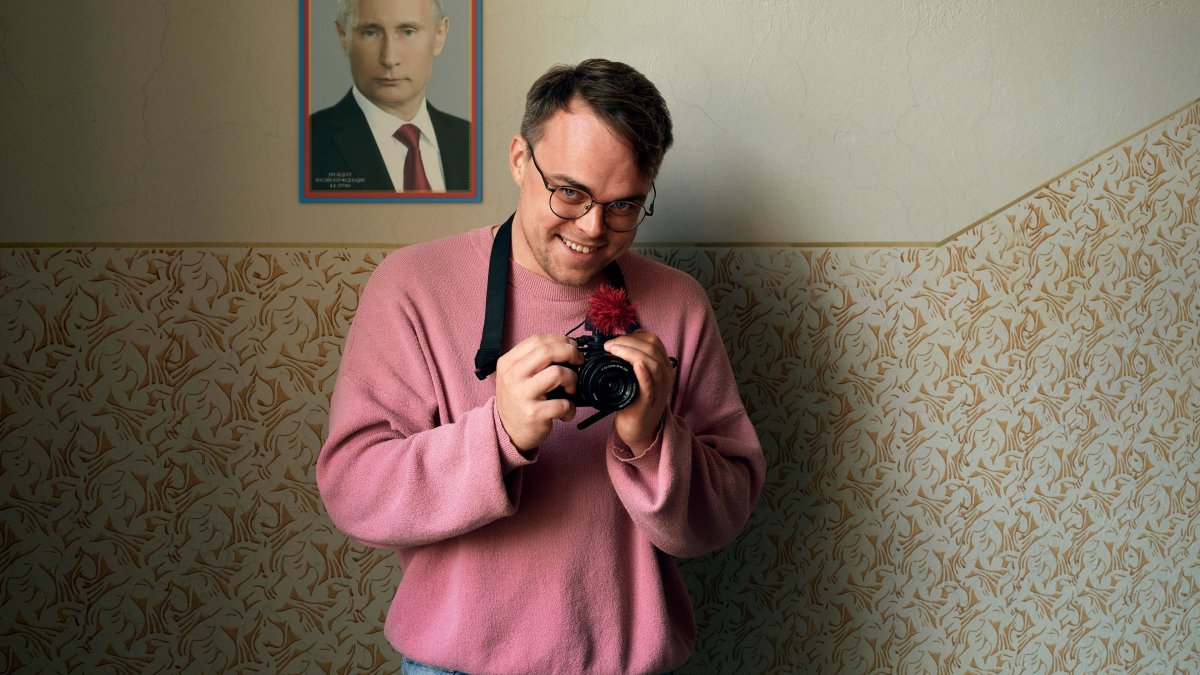
The film happiness (2025) by Firat Yücel records the sleepless nights of a group of activists as they watch the hellish news coming from Palestine and the wider region. An anguished and urgent screen diary, right on the interest between the chaotic digital landscape of our times and the indisputable violence of modern-day colonialism. On the screens and in the streets of resistance, “happiness” struggles to find its own painful way.